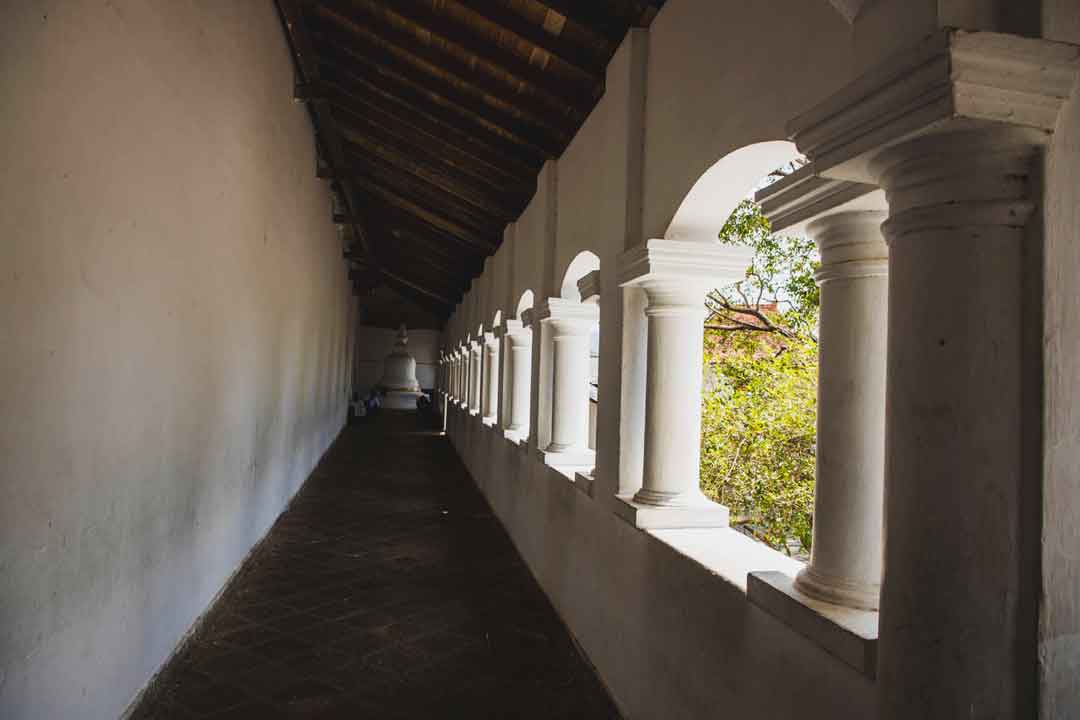
Dambulla Cave Temple
Dambull Cave Temple
0/5
0% of guests recommend
Duration
2 Hours
Tour Type
Historical
Group Size
11 persons
Location
Dambulla
Overview
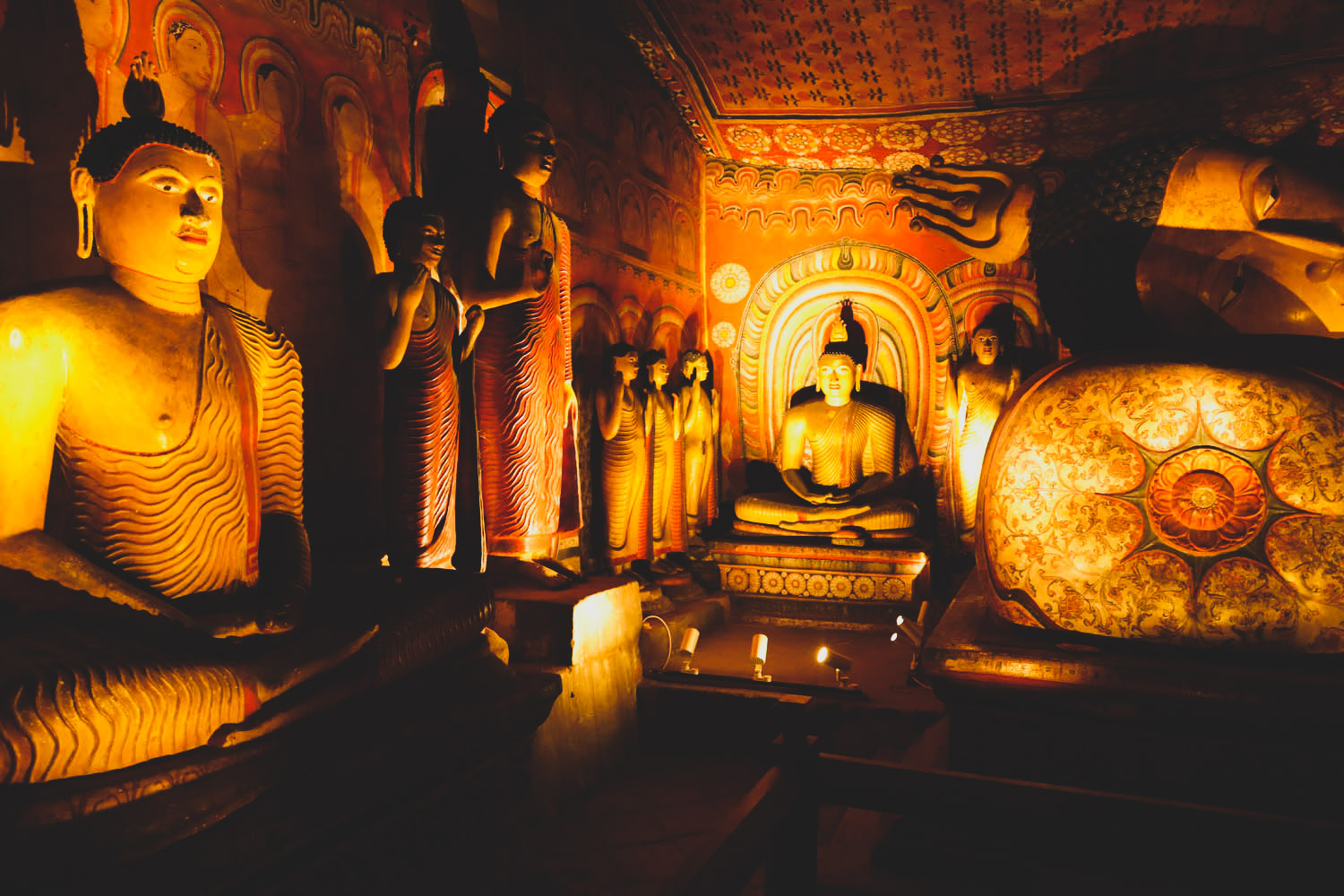
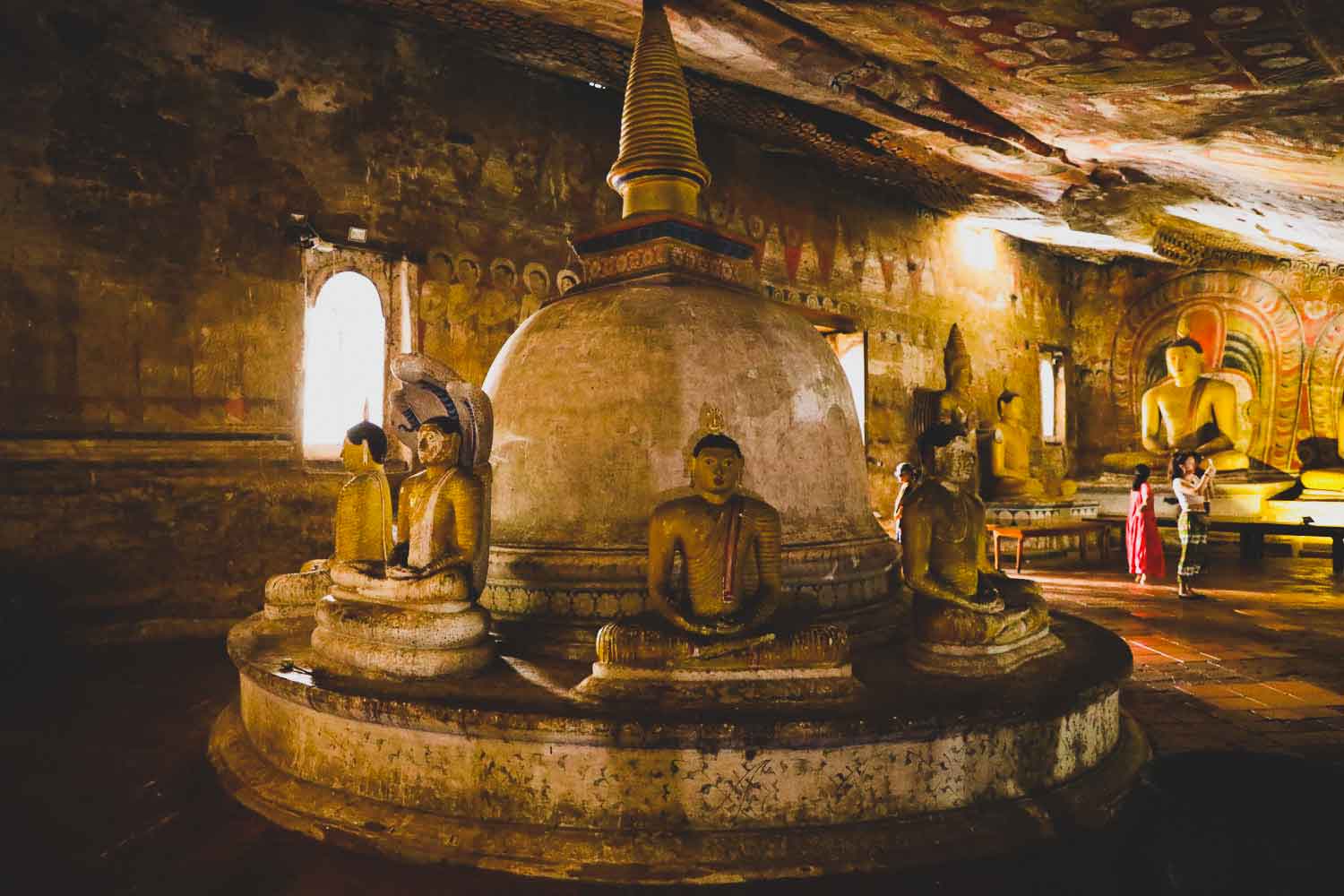
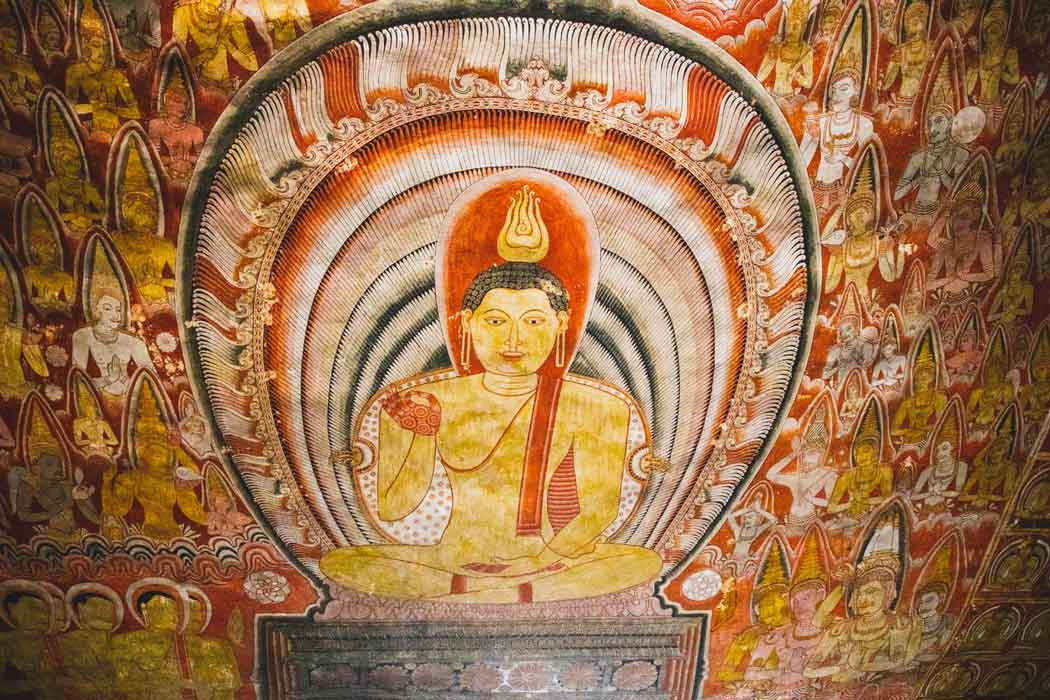
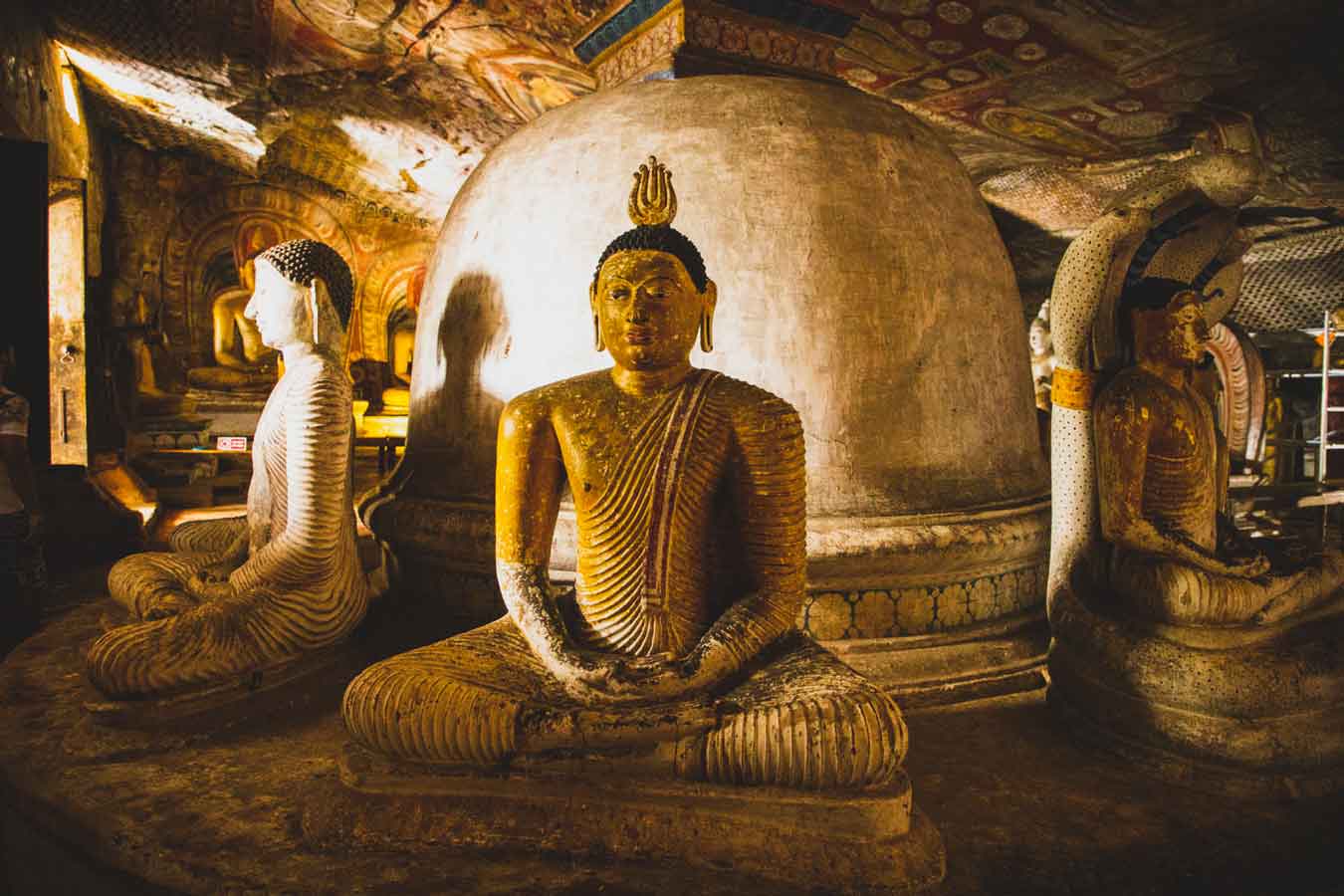
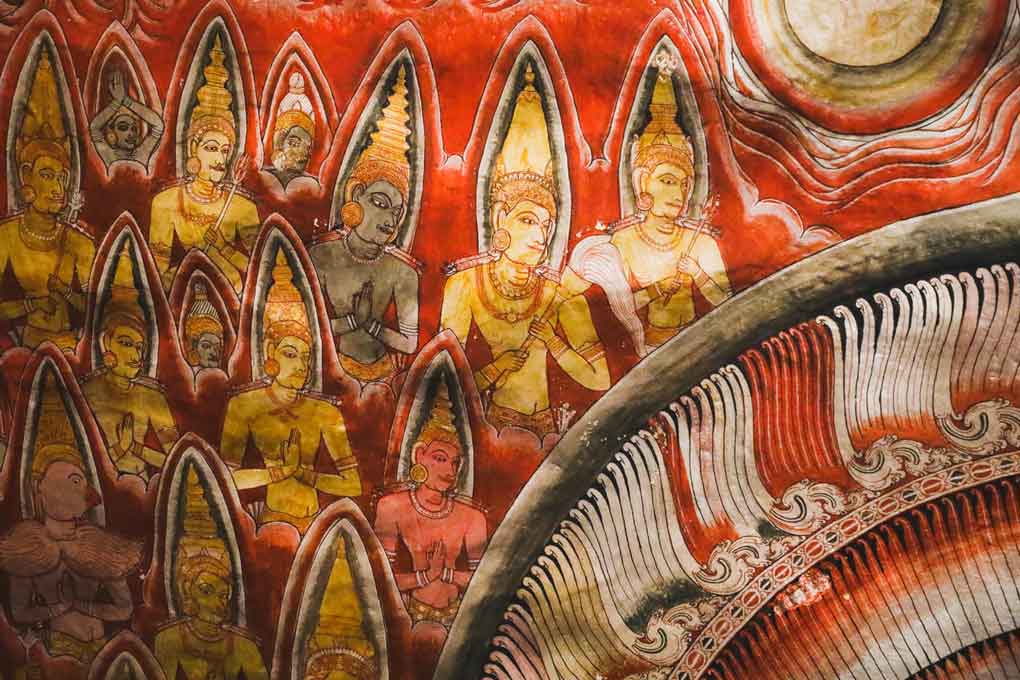
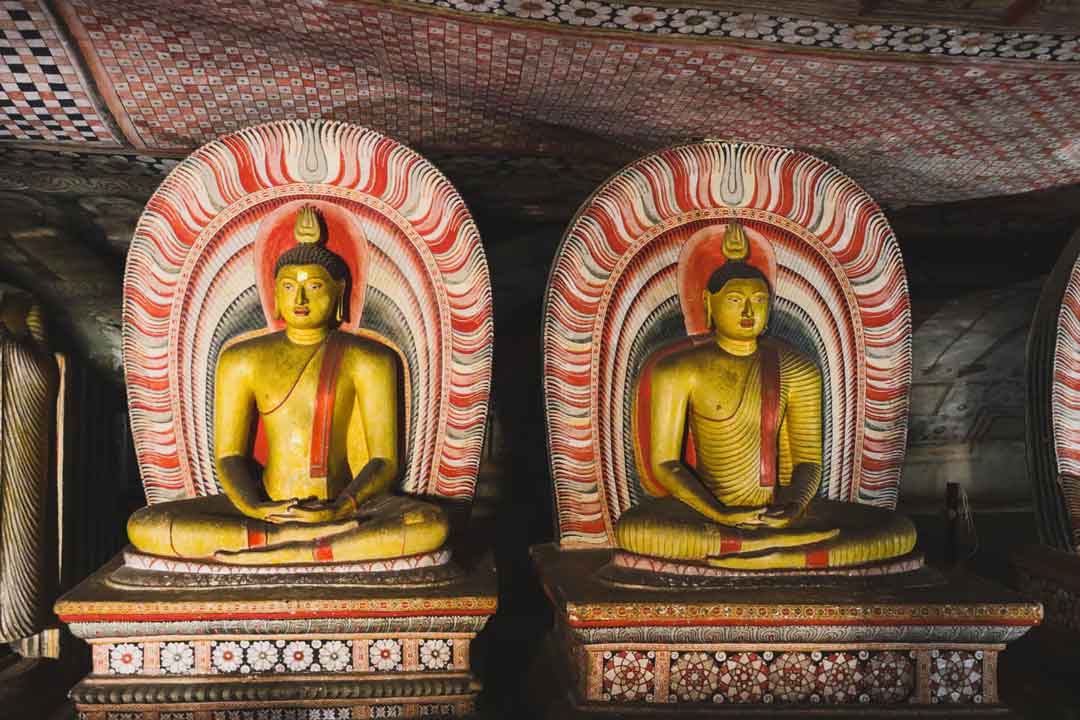
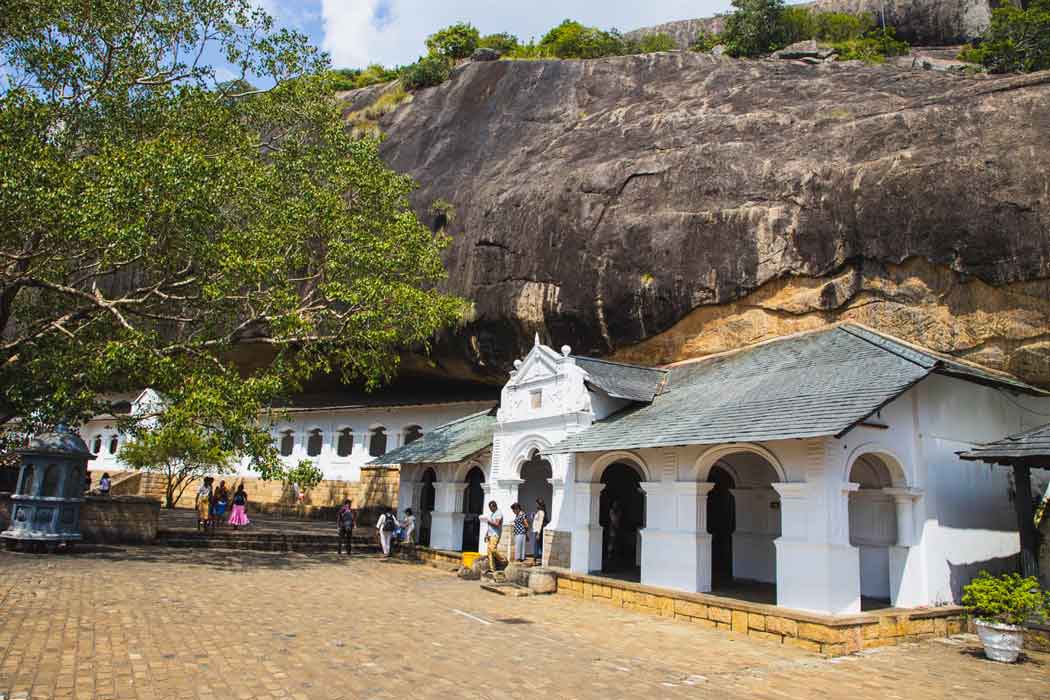
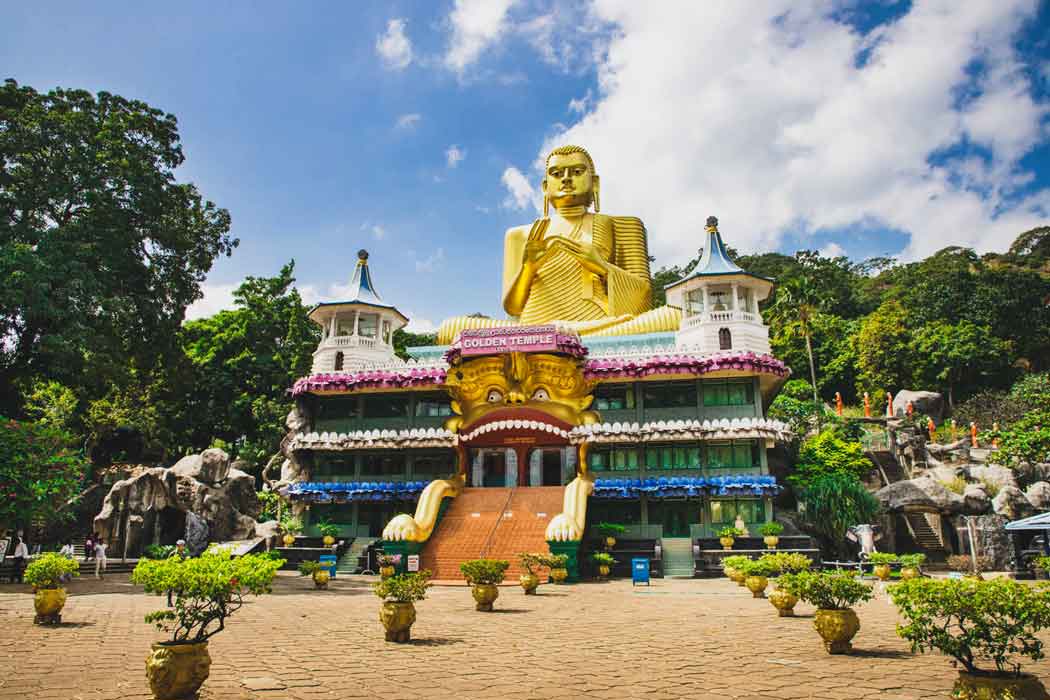
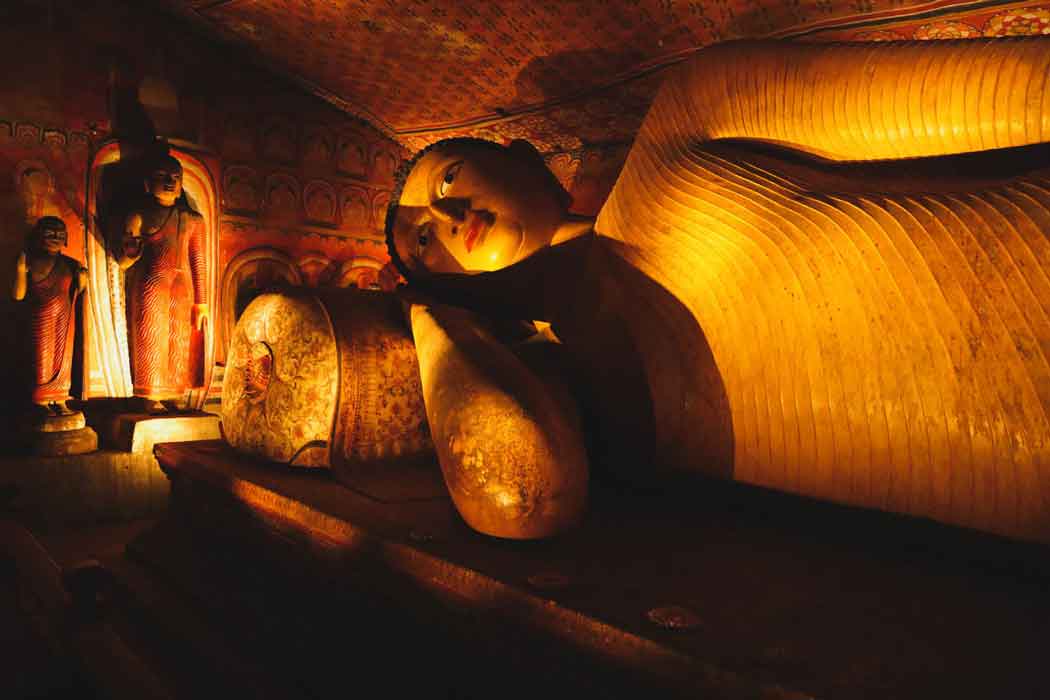
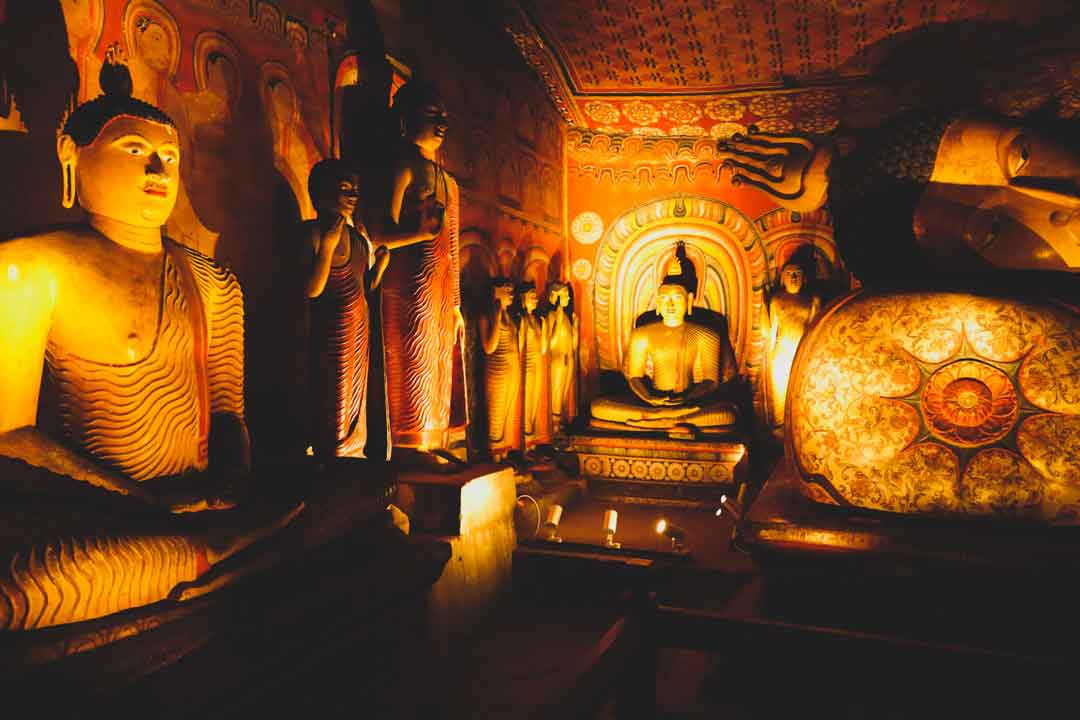
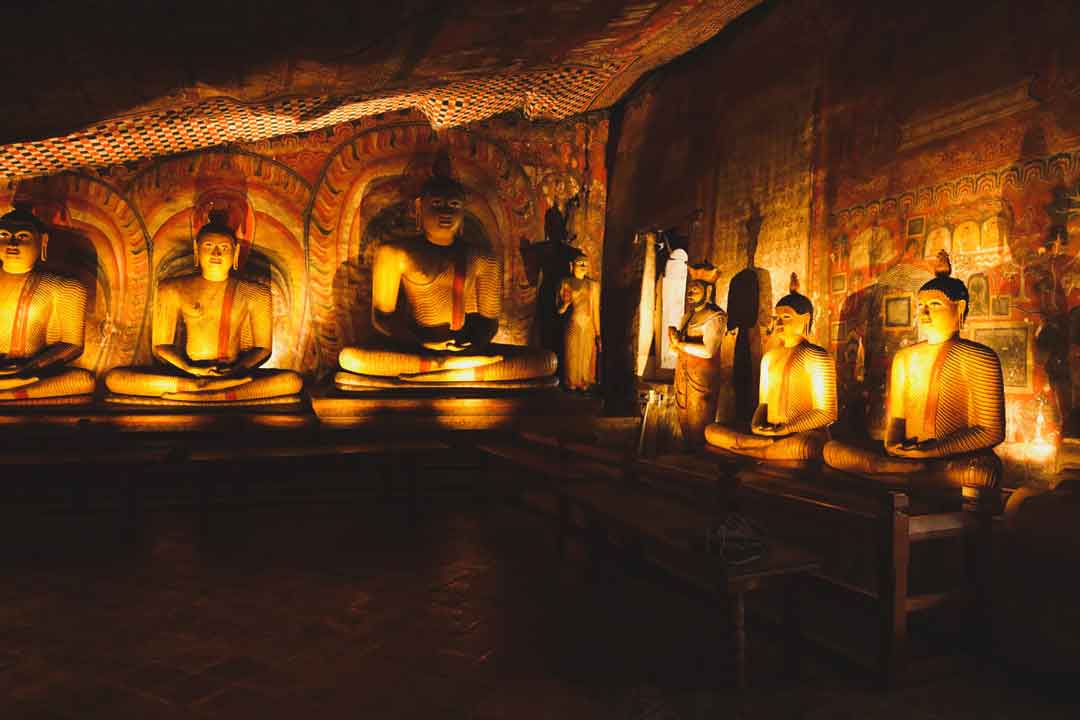
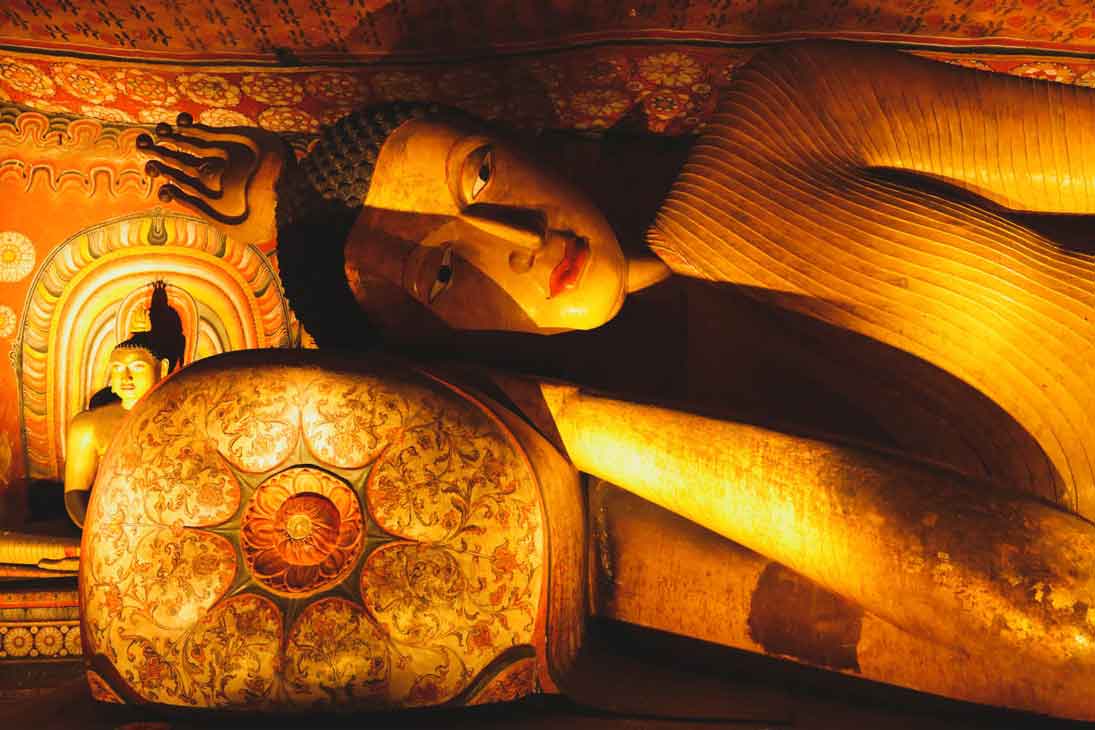
The caves of Dambulla, like the Mihintale caves, were occupied in very early times by Budd¬hist hermits. The antiquity of this place has been authenticated by the presence of pre-Christian inscriptions in Brahmi character immediately below the drip-ledge of the central cave. One of these inscriptions records: “Damarakita teraha lene agata anagata catu disa sagas dine. Gamani abaya rajiyahi karite” (The cave of the Elder Dlmamma-rakkita, given to the Community of the four quarters, present or future. In the reign of Gamani Adhaya.) The shape of the letters of all the short inscriptions in Brahmi form at Dambulla is distinctly those of the first century B. C, At that time there was only one king known as Abhaya, also known as Vattagamani Abhaya (89-77B. C.). this leaves no doubt that the king Abhaya referred to in the above quoted inscription Vattagamani Abhaya. Dambulla became a popular place of residence of Buddhist monks at least from the reign of this king. Vattagamani Abhaya is one of the few kings of ancient Sri Lanka whose name and fame are not dependent on the written records. To him are credited by the common people of the country tile numerous caves with drip-ledges which were abodes of Buddhist monks in ancient days. As we have seen, one or two of these caves like Dambulla do, in fact, bear inscriptions with the royal name which is attributed to him.
HIGHLIGHTS
Included/Excluded
Specialized bilingual guide
Private Transport
Entrance fees (Cable and car and Moon Valley)
Box lunch water, banana apple and chocolate
Additional Services
Insurance
Drink
Tickets
Itinerary
Day 1
Los Angeles
Day 1
Los Angeles
There are no activities planned until an evening welcome meeting. Additional Notes: We highly recommend booking pre-tour accommodation to fully experience this crazy city.
Day 2
Lake Havasu City
Day 2
Lake Havasu City
Pack up the van in the morning and check out the stars on the most famous sidewalk in Hollywood on an orientation tour
Day 3
Las Vegas/Bakersfield
Day 3
Las Vegas/Bakersfield
Travel to one of the country's most rugged landscapes — the legendary Death Valley, California. Soak in the dramatic landscape. In the afternoon, continue on to Bakersfield for the night.
Day 4
San Francisco
Day 4
San Francisco
We highly recommend booking post-accommodation to fully experience this famous city.
Travel Styles
Car
Nature & Adventure
Marine
Van
Activities
Bus
Facilities
Mountain Bike
Staff Lounge
FAQs
When and where does the tour end?
Your tour will conclude in San Francisco on Day 8 of the trip. There are no activities planned for this day so you're free to depart at any time. We highly recommend booking post-accommodation to give yourself time to fully experience the wonders of this iconic city!
When and where does the tour start?
Day 1 of this tour is an arrivals day, which gives you a chance to settle into your hotel and explore Los Angeles. The only planned activity for this day is an evening welcome meeting at 7pm, where you can get to know your guides and fellow travellers. Please be aware that the meeting point is subject to change until your final documents are released.
Do you arrange airport transfers?
Airport transfers are not included in the price of this tour, however you can book for an arrival transfer in advance. In this case a tour operator representative will be at the airport to greet you. To arrange this please contact our customer service team once you have a confirmed booking.
What is the age range
This tour has an age range of 12-70 years old, this means children under the age of 12 will not be eligible to participate in this tour. However, if you are over 70 years please contact us as you may be eligible to join the tour if you fill out G Adventures self-assessment form.
Tour Location
Dambull Cave Temple
Reviews
0/5
Not Rated
Based on
0 review
Excellent
0
Very Good
0
Average
0
Poor
0
Terrible
0
No Review
LookLanka.lk

Member Since Jan 2020
29%
from
$2.100
$1.478
Tour Start Date
{{ start_date_html }}
Tour End Date
{{ end_date_html }}
Last Booking Date
{{ last_booking_date_html }}
{{start_date_html}}
{{type.desc}}
{{type.display_price}} per person
Extra prices:
({{type.price_type}})
{{type.price_html}}
({{type.price_type}})
{{ type.price }}%
{{ formatMoney(type.price) }}
- {{total_price_html}}
- {{pay_now_price_html}}
from
$2.100
$1.478